
Servo Motor Systems
High-Performance Servo Motor Systems
Terapec servo motor systems are developed for applications that require high precision, stable control, and reliable performance under demanding environmental conditions.
The product portfolio ranges from rotary and linear motion solutions to integrated servo systems with built-in controllers and project-based custom designs. These solutions are optimized for aerospace, space, marine, and advanced industrial applications.
With high bandwidth, fast response time, and stable control characteristics, Terapec servo systems deliver long-term, repeatable performance in mission-critical applications.
Featured Integrated Servo Systems
Integrated servo systems offering a compact architecture, built-in controller design, and high dynamic performance.
30 Nm Servo System
60 Nm Servo System
2000N Servo System
Integrated Rotary Servo Motor Systems
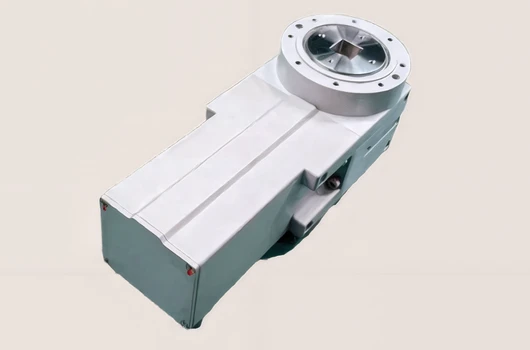
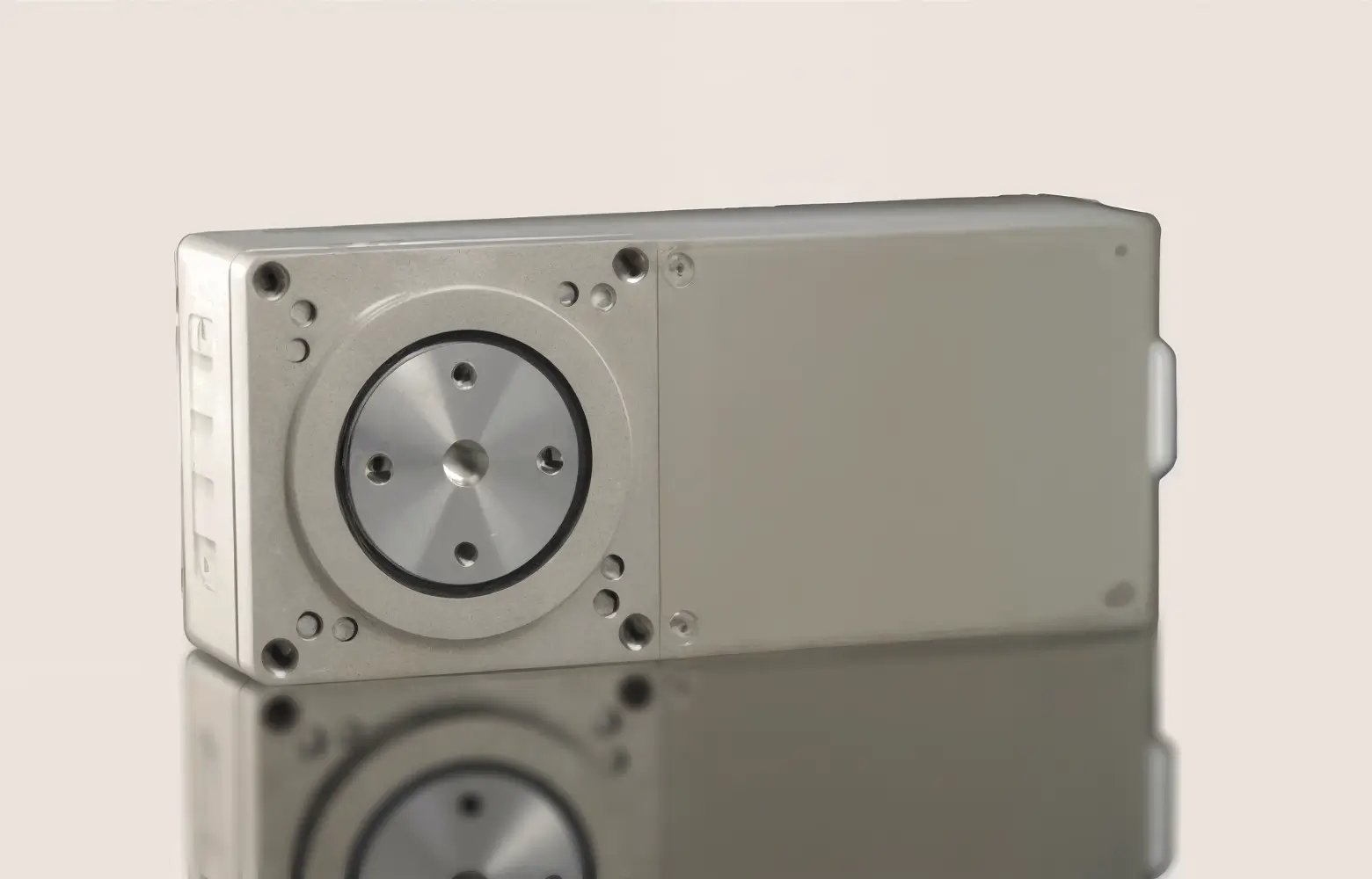
Integrated rotary servo motor systems are compact, highly integrated solutions in which the controller and power electronics are embedded within the servo housing. They reduce wiring requirements, simplify system architecture, and enable fast commissioning.
Servo Motor Series:
- 5Nm Servo System
- 30Nm Servo System
- 60Nm Servo System
Key Technical Features:
- Integrated controller and power electronics
- Compact design and low weight
- RS422 / CAN communication support
- High positioning accuracy (0.1° – 0.2°)
- Stable, low-latency dynamic performance
- Design compliant with aerospace and marine standards
Applications:
- Aviation platforms
- Maritime systems
- Space- and weight-constrained mechanisms
Integrated Linear Servo Motor Systems
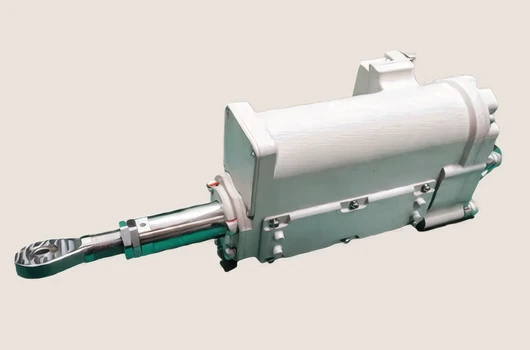
Integrated linear servo motor systems combine linear motion and control functions within a single architecture. They provide a compact and reliable solution for applications requiring system-level integration.
Servo Motor Series:
- 2000N Servo System
Key Technical Features:
- Integrated controller architecture
- High force-to-size ratio
- Precise stroke and force control
- Stable and repeatable linear motion
- Low maintenance requirements and long service life
Applications:
- Aviation systems
- Maritime applications
- Projects requiring integrated actuation
Rotary Servo Motor Systems
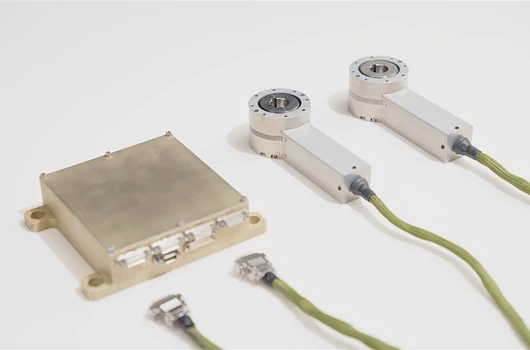
Rotary servo motor systems are designed for applications requiring high torque capacity and precise angular position control.
Operating with an external controller, these systems offer a wide product range to meet diverse engineering requirements.
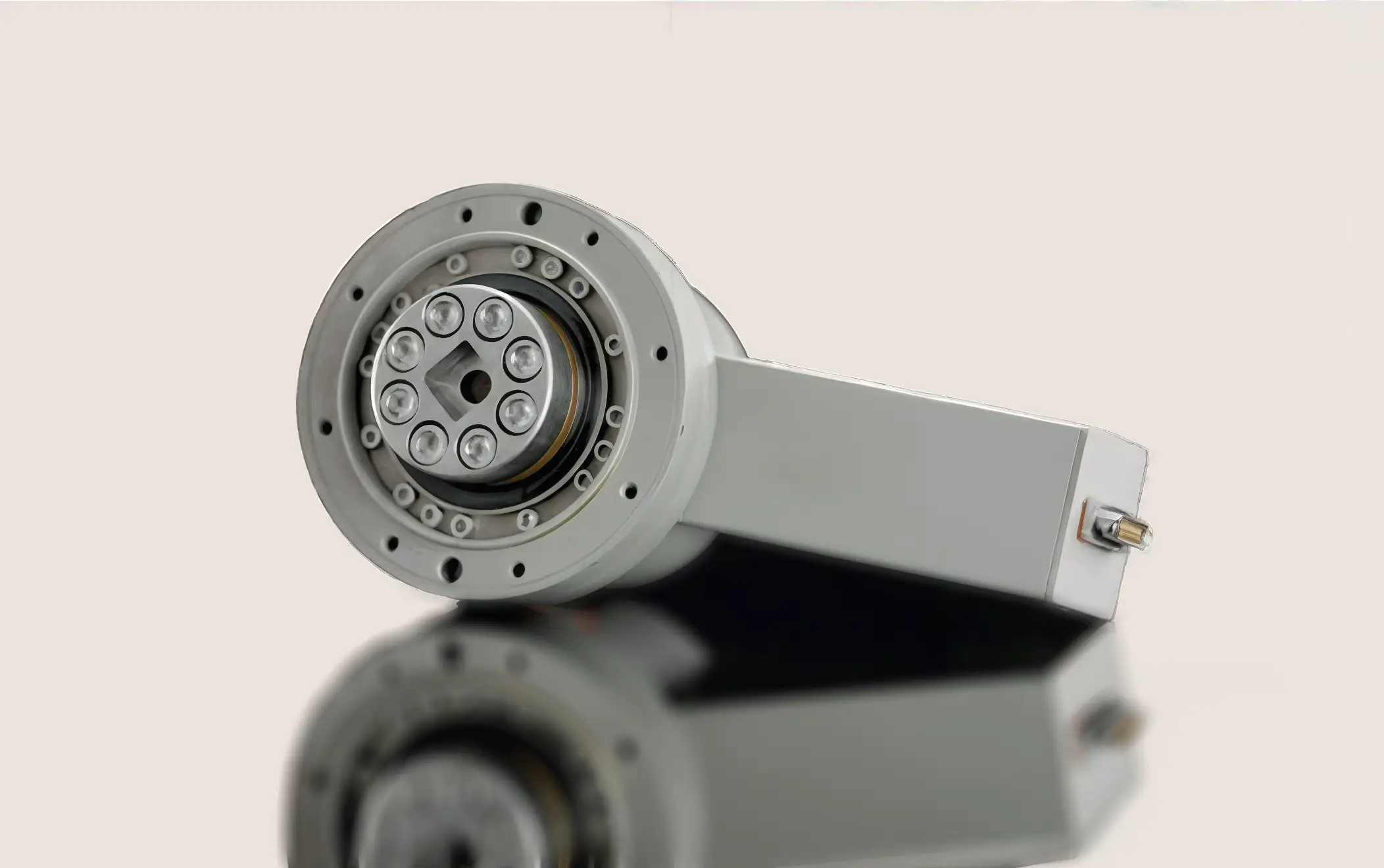
Servo Motor Series:
- 30Nm Servo System
- 40Nm Servo System
- 50Nm Servo System
- 100Nm Servo System
- 100Nm Servo System (0–280°)
- 1000Nm Servo System
Key Technical Features:
- Wide torque range (30 Nm – 1000 Nm)
- High peak torque capability
- Variable motion range (±30° – 280°)
- High bandwidth and dynamic response
- RS422 / CAN communication protocols
- Robust design for harsh environmental conditions
Applications:
- Aerospace control mechanisms
- Marine and offshore systems
- High-torque actuation applications
Linear Servo Motor Systems
Linear servo motor systems provide high force output and precise positioning for applications requiring push and pull motion. They deliver reliable performance with stable motion characteristics and a long service life.
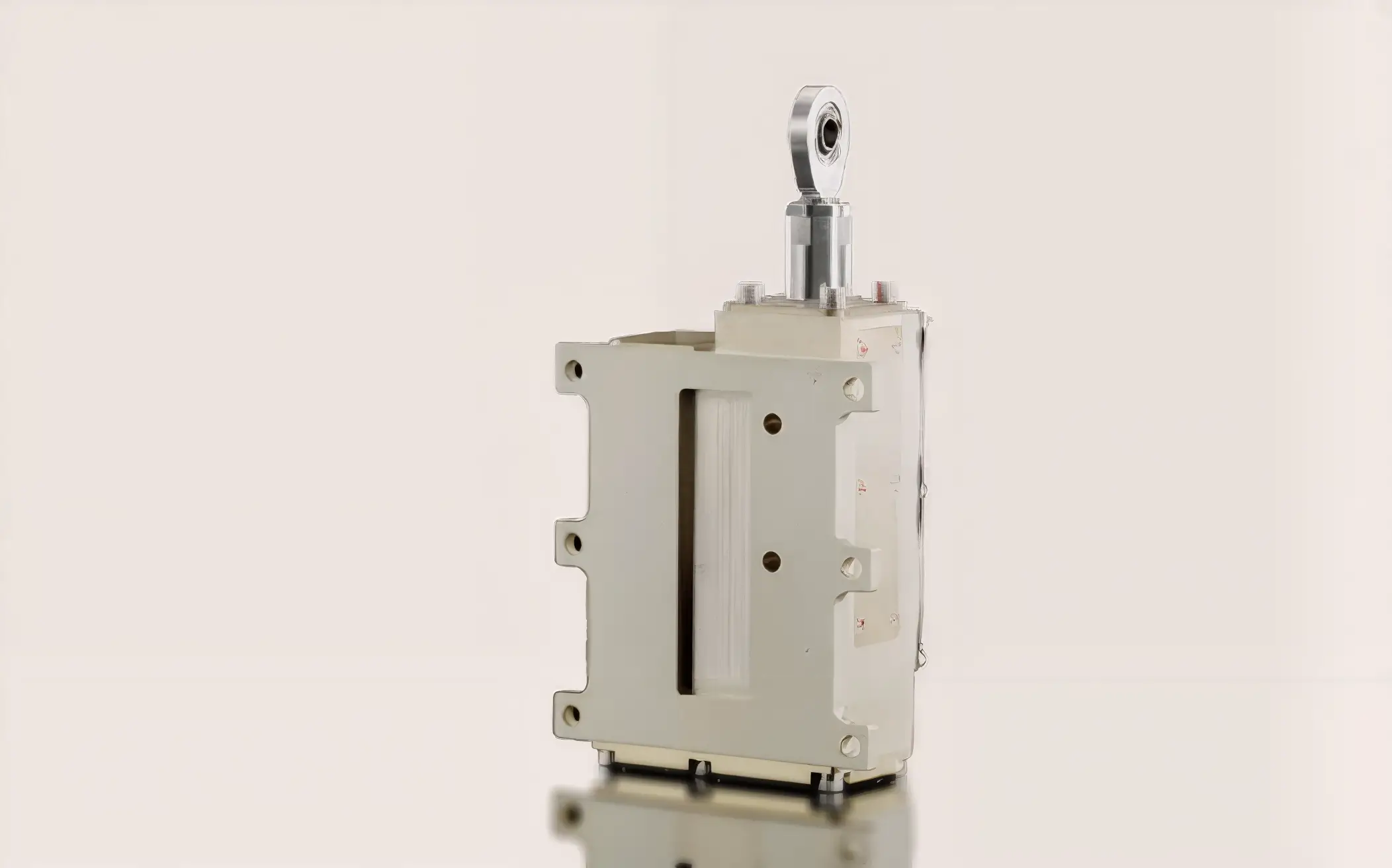
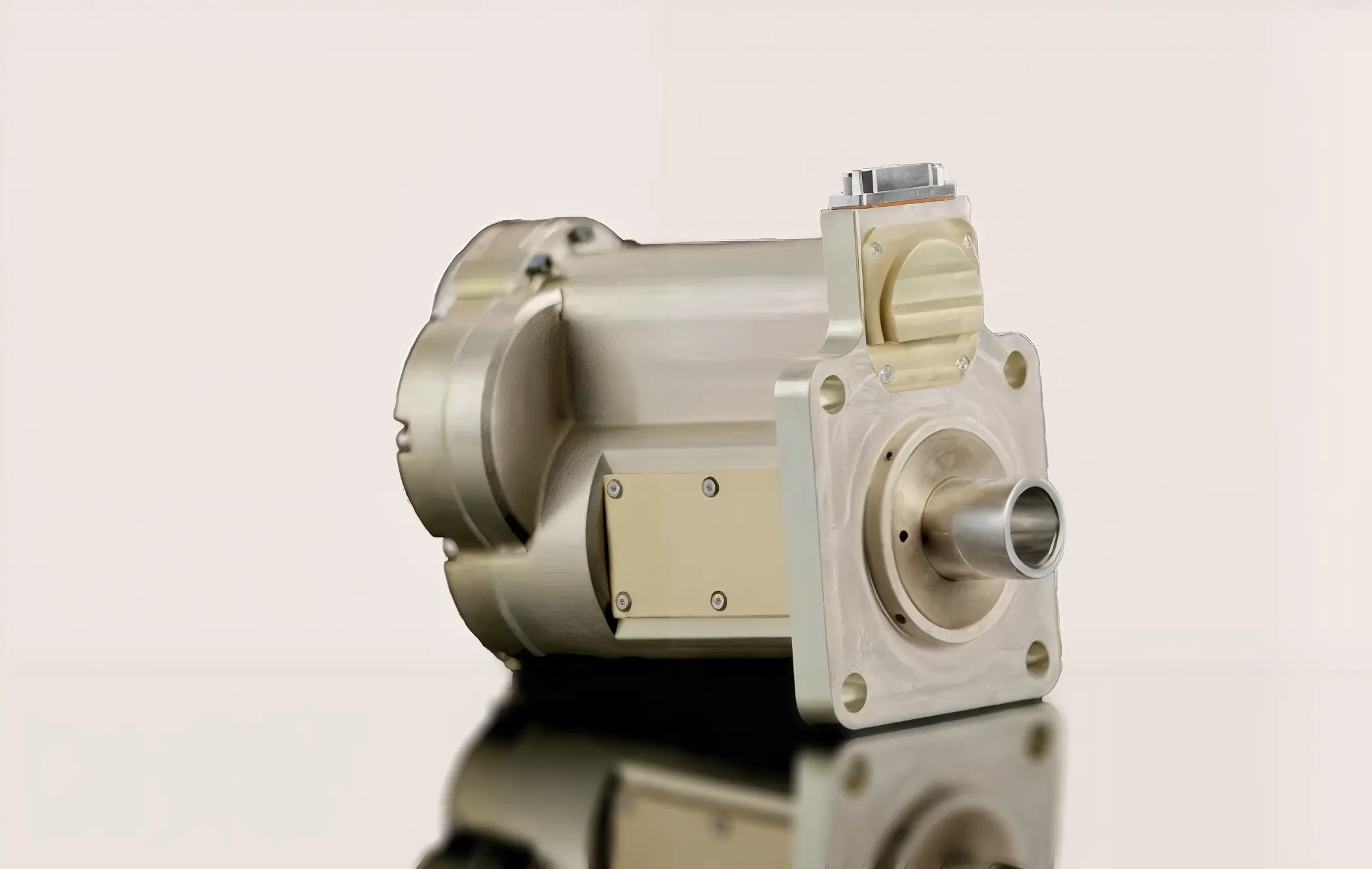
Servo Motor Series:
- 1000N Servo System
- 2000N Servo System
- 5000N Servo System
Key Technical Features:
- High nominal and peak force capacity
- Precise stroke control (0.1 mm – 0.3 mm)
- Stable and repeatable linear motion
- High bandwidth and fast response time
- Durable, long-life mechanical design
Applications:
- Space mechanisms
- Aviation actuation systems
- Precision linear positioning applications
Integrated Flow Control Servo Systems
Integrated and custom servo solutions are highly integrated, project-based systems that combine motion control with additional functionalities within a single architecture.
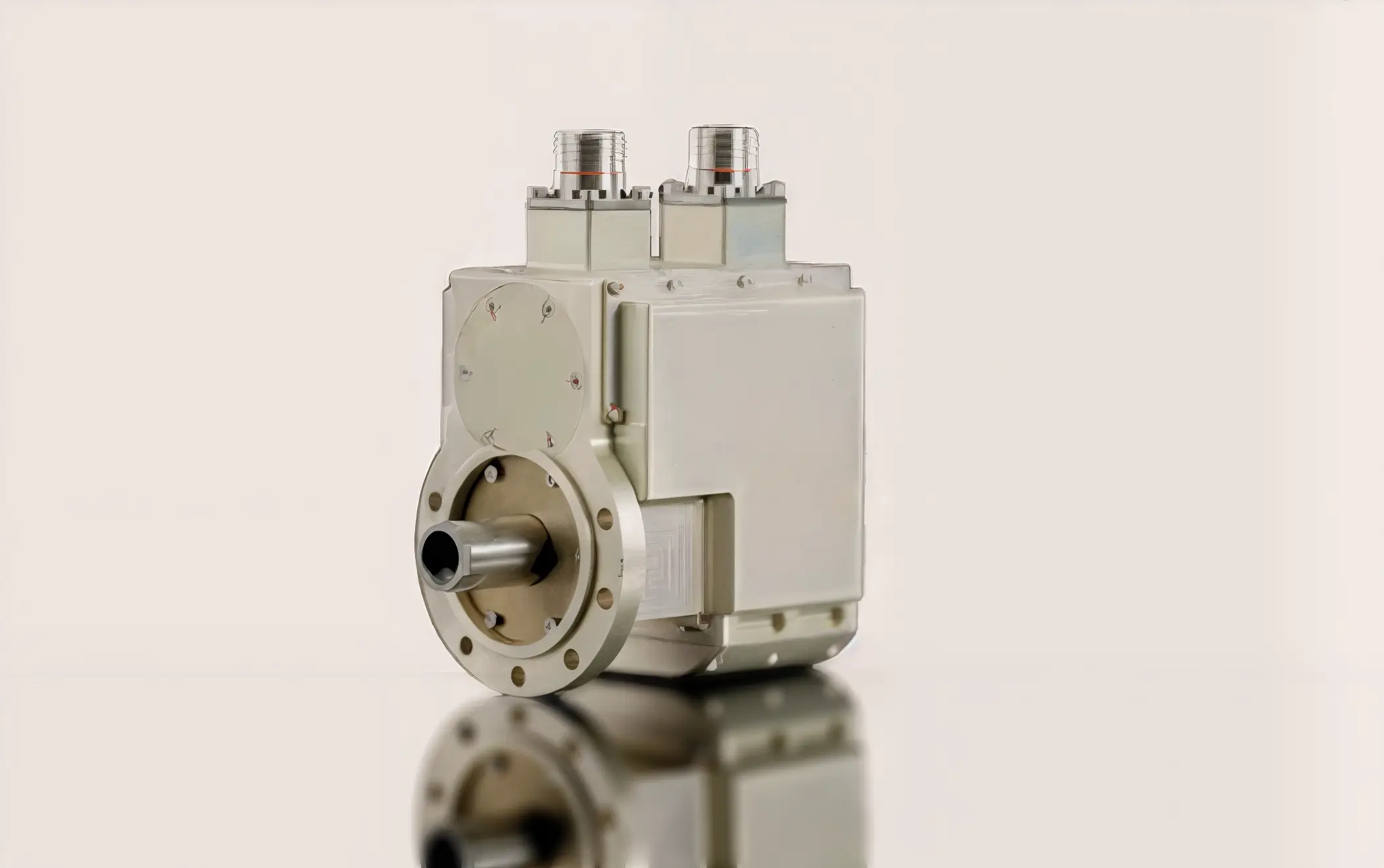
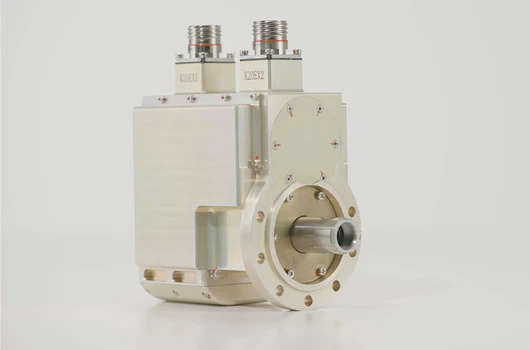
Servo Motor Series:
- Integrated Flow Control Servo System
Key Technical Features:
- Integrated architecture combining controller, power electronics, and mechanical structure
- Multiple supply voltage support (28V / 56V / 270V)
- RS422 / RS485 / CAN communication options
- High-resolution feedback
- Designed for harsh environmental conditions
- Flexible functionality and configuration for project-specific requirements
Applications:
- Space exploration and research systems
- Maritime and offshore applications
- System-level custom engineering solutions
Applications of Servo Systems

Aerospace Systems

Marine and Offshore Applications

Space Mechanisms and Actuation Systems

Robotics and Autonomous Systems

Industrial Actuation

Custom Engineering Solutions
Technical Support Process for Servo Systems
1. Application Analysis and Requirement Definition
In the initial phase, key parameters such as motion type (rotary / linear), torque or force requirements, speed, precision, and environmental conditions are analyzed. This evaluation forms the basis for selecting the most suitable servo motor system.
2. Technical Data and Documentation Sharing
Technical datasheets, performance tables, and, if required, CAD documentation are provided in line with the defined requirements. At this stage, integration aspects, mechanical compatibility, and system architecture are clarified.
3. Configuration and Customization
The servo motor system is configured according to specific requirements such as torque, speed, stroke, supply voltage, communication protocol, and environmental resistance. Integrated or custom servo solutions are defined during this stage.
4. Project-Based Quotation and Technical Support
Based on the final configuration, a project-based quotation is prepared. Technical support is provided throughout installation, commissioning, and operation.
What applications are servo systems used in?
Servo motors and servo systems provide ideal solutions for aerospace servo applications, marine and offshore systems, space mechanisms, robotic servo solutions, autonomous platforms, and high-precision industrial actuation systems.
Servo systems used in applications requiring high torque, precise positioning, and dynamic control deliver reliable performance with a range of configuration and protection options, even in harsh environmental conditions.
Which technical parameters are important when selecting servo systems?
When selecting a servo motor or servo system, key parameters include rated torque, peak torque, motor speed, bandwidth, positioning accuracy, repeatability, and motion range (angular displacement for rotary systems or stroke for linear systems). Supply voltage and communication protocols (such as CANopen, EtherCAT, RS-485, etc.) also play a critical role.
In addition, environmental and operating conditions such as temperature, humidity, vibration, pressure, and load characteristics must be carefully considered to ensure long service life and stable system performance.
What is the difference between rotary and linear servo systems?
Rotary servo motor systems are preferred in applications requiring angular motion and precise positioning, while linear servo systems are used in industrial actuation applications that require linear push-pull motion.
Selecting the appropriate servo system depends on motion type, load capacity, motor speed, positioning accuracy, environmental conditions, and application dynamics.
Is customization available for servo systems?
Yes, servo motors and servo systems can be customized on a project basis. Parameters such as torque or force capacity, motor speed, linear stroke length, supply voltage, communication protocol, IP protection rating, and environmental resistance can be configured according to specific application requirements.
A detailed technical analysis and engineering evaluation are recommended to determine the most suitable custom servo solution.
What are the advantages of integrated rotary servo systems?
In integrated rotary servo systems, the servo drive and controller are built directly into the motor housing. This architecture eliminates the need for an external drive, reduces wiring, simplifies system integration, and lowers overall system complexity.
Integrated servo motors offer significant advantages for applications where space and weight constraints are critical, including mobile platforms and compact robotic systems.
What is bandwidth in servo systems and why is it important?
Servo system bandwidth is a key performance parameter that defines how quickly, accurately, and stably a servo motor can respond to command changes.
Servo systems with high bandwidth provide faster response time, higher tracking accuracy, improved vibration suppression, and stable control under dynamic load variations.
Bandwidth is a critical factor that directly affects servo performance, particularly in high-speed applications, precision positioning, and advanced motion control systems.