
DC Charging Stations
DC Charging Stations
Charging stations with sustainable and intelligent energy management keep your vehicles ready for uninterrupted use at all times, while providing fast energy transfer that optimizes your budget.
Advanced power module architecture
With advanced power module architecture and dynamic load sharing technologies, Terapec DC systems deliver high efficiency in the ultra-fast charging segment, optimizing the operational performance of commercial businesses and public charging stations.
Terapec’s T Core, T Flex, and T Hub charging modules are designed for urban networks, logistics fleets, and highway charging points where minimal downtime, maximum energy density, and high modularity are critical requirements.
120 kW – 240 kW Voltage Range
Protection Against Grid Fluctuations
CE
Certification
Protection Rating
Up to IP54
Not sure which model suits your needs?
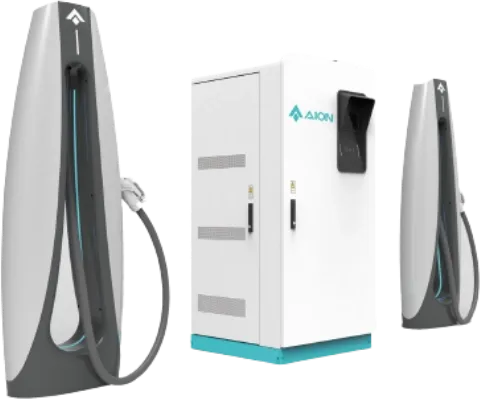
T Core (CE)
120kW
5-Meter Cable Length
Touchscreen Display
CE Certified
Modular Design
Its modular design, consisting of four 30 kW AC/DC power modules, enhances system reliability while simplifying maintenance processes.
Touchscreen Display
It is equipped with a 7-inch high-resolution touchscreen that allows users to monitor the charging status in real time.
150V-1000V
With a wide output voltage range of 150V–1000V, it meets the requirements of a wide range of vehicle types, from passenger cars to heavy-duty vehicles.
Control system and overvoltage protection features
Maintains operational safety at the highest level with its intelligent digital control system and overvoltage protection features.
T Flex (CE)
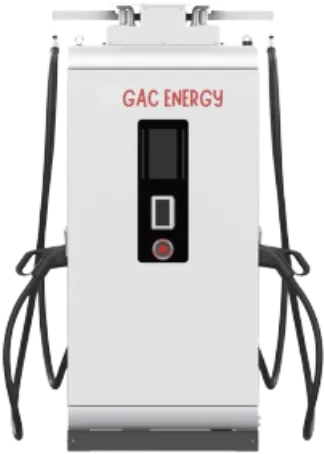
240/210 180/150/120 kW
5-Meter Cable Length
IP54 Protection
CE Certified
Meet the highest segment charging demand.
With its split-type architecture supporting one main power cabinet and up to eight charging terminals, it meets the highest segment charging demand.
Flexible structure for future expansions
Compatibility with 120 kW and 180 kW power outputs and a flexible structure for future expansions.
An ultra-fast charging experience
With a 240 kW high power output and a 250A current capacity per charging gun, it delivers an ultra-fast charging experience.
Maximum user safety
With its IP54 protection rating and hardware that has passed comprehensive safety tests, it ensures maximum user safety in high-traffic stations.
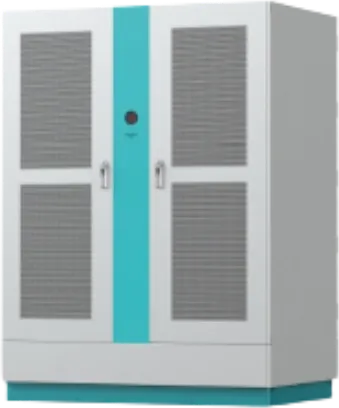
T Hub (CE)
540 kW Maximum Output Power
500A Current Support
IP54 Protection
P54 Standards
Meet high-segment charging demand.
With its split-type architecture supporting one main power cabinet and up to eight charging terminals, it meets the highest segment charging demand.
Provides ultra-fast energy transfer for next-generation high-voltage battery systems.
With a maximum output power of 540 kW and 500A current support, it provides ultra-fast energy transfer for next-generation high-voltage battery systems.
Dynamically optimize
The intelligent power distribution matrix dynamically optimizes the output of each terminal according to the real-time charging needs of the connected vehicles.
24/7 uninterrupted service with P54 standard outdoor protection
With full compatibility with most electric vehicle brands on the market and IP54 standard outdoor protection, it provides 24/7 uninterrupted service.
Areas of Use

Office Parking Lots
Provides reliable and fast charging for employees and visitors. Thanks to its high power capacity, it is suitable for intensive use throughout the day, supports corporate sustainability goals, and promotes the adoption of electric vehicles.
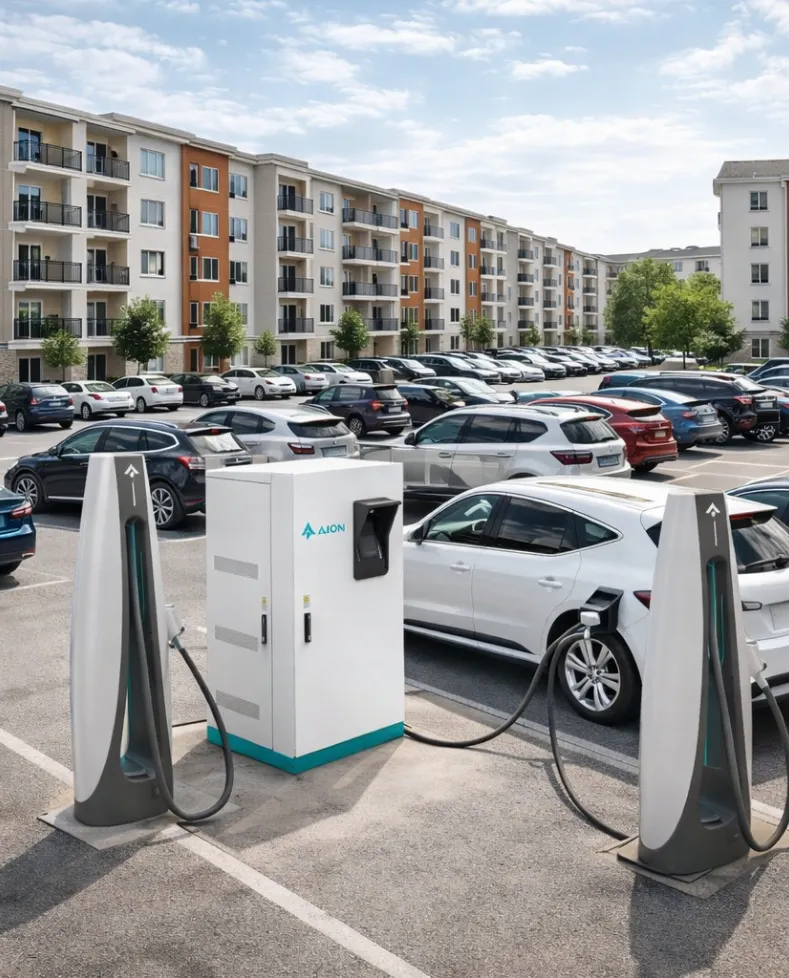
Multi-Unit, Individual Residences
Provides a convenient charging experience for electric vehicle owners in residential complexes and apartment parking areas. Thanks to its modular structure, it can be easily adapted to different user needs, offering safe and efficient operation.
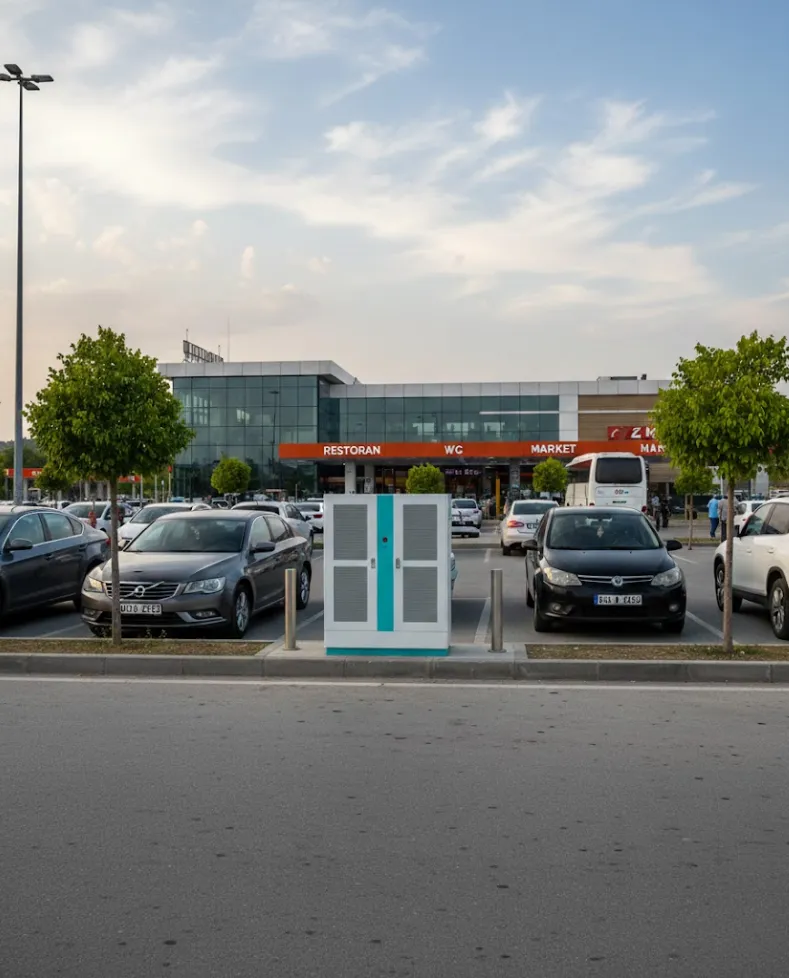
Private Parking Areas
An ideal solution for shopping malls, hospitals, hotels, and private business parking areas. While enhancing user satisfaction with its fast charging capability, it ensures uninterrupted and reliable service with its CE-certified safe design.
How Is the Charging System
Installed?
1. Site Analysis and Capacity Assessment
Before installation, the capacity of the electrical panel should be checked and the most efficient location for the charging unit should be determined. It must be ensured that the existing energy load can meet the current required by the charging station.
2. Electrical Infrastructure Preparation
For safe charging operation, a dedicated and independent line should be installed for the station. At this stage, appropriately sized cables and protection equipment must be installed in accordance with technical standards to prevent system overload.
3. Physical Installation and Safety
The device should be secured using mounting equipment suitable for the floor or wall structure. After installation, safety tests such as residual current protection, grounding measurements, and insulation of connection points must be carefully completed.
4. Software Configuration and Commissioning
After the hardware installation is completed, the device’s internet connection and smart management systems should be configured. Following a final overall check, the system should be put into operation and access should be tested via the user interface.
Which vehicle models are the units compatible with?
- The devices are equipped with Type 2 connectors compliant with the IEC 62196-2 standard.
- They are fully compatible with all CE-certified electric vehicles that meet this standard.
Are the devices suitable for outdoor use?
- Yes; the units have an IP55 protection rating and are resistant to outdoor conditions such as rain and dust.
- Additionally, the hardware is designed to maintain operational efficiency even at extreme low temperatures down to -40°C.
How is the charging process monitored and managed?
- Charging processes can be remotely controlled via a smart mobile application.
- Users can make charging reservations, monitor energy consumption, and perform remote diagnostics through the app.
- Also supports “plug-and-charge” and unit-sharing features.
What do the safety protocols cover?
- The systems are equipped with built-in protection mechanisms against overload, short circuit, and overheating.
- In addition, critical safety layers such as residual current protection safeguard both the vehicle and the building’s electrical infrastructure.
What are the physical installation options for the units?
- Thanks to their modular design, the devices can be mounted directly on the wall according to the installation area.
- If required, the units can also be installed on a suitable pedestal stand.
What Is CE Certification and Why Is It Important?
- The CE mark is a legal requirement for a device to be freely marketed within the European market. It certifies that the product has been tested and complies with relevant EU directives (such as the Low Voltage Directive and Electromagnetic Compatibility Directive).
- Charging stations carry high electrical loads. CE certification guarantees that the device has been tested in international laboratories against risks such as short circuit, overheating, electric shock, and fire, and that these risks have been minimized.
- A certified device protects not only itself but also the electrical infrastructure it is connected to and your vehicle’s Battery Management System (BMS).
- It also proves that the device does not interfere with other electronic equipment in its surroundings and is not adversely affected by them (for example, preventing issues such as home internet disruption or malfunction of other devices).